Incorporating The Rockhampton Club
Established in 1888

About The Range Club

The Rockhampton Club was established in 1888 to provide for recreation, relaxation and the company of like-minded citizens.

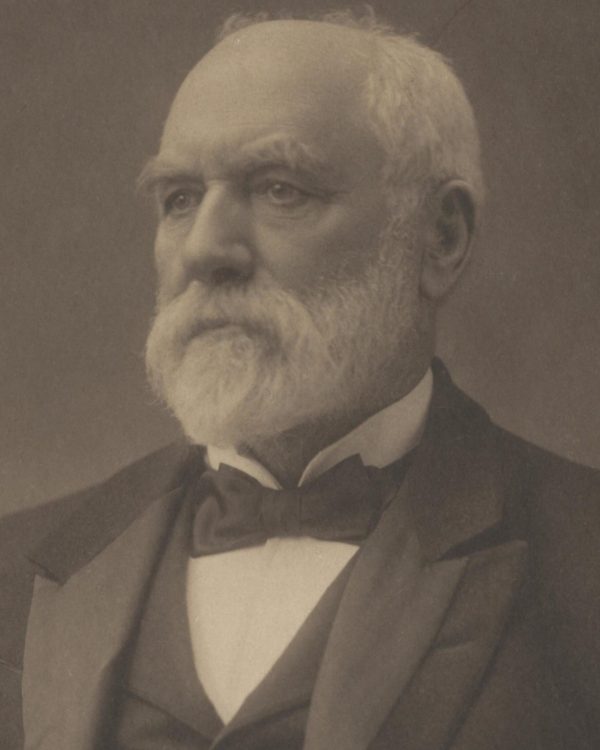
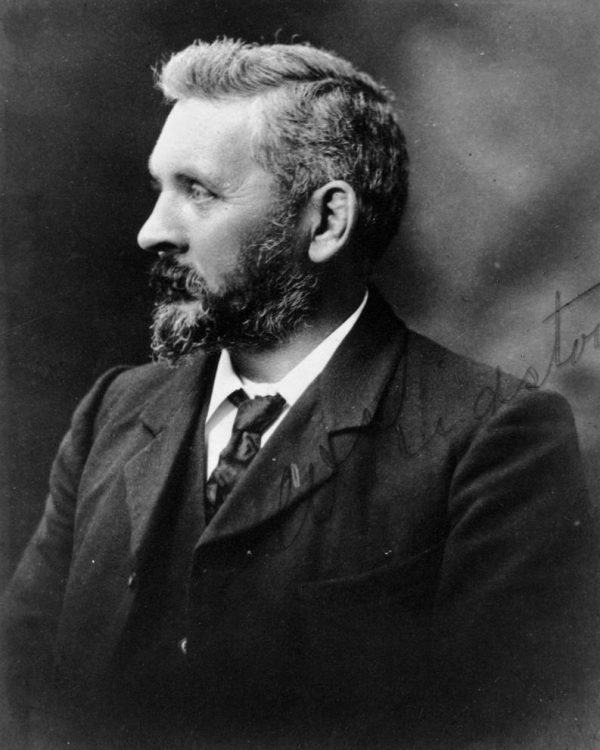
Prominent members of the Rockhampton Club included the Honourable William Kidston MLA, who was Premier of Queensland from 1906 to 1911.

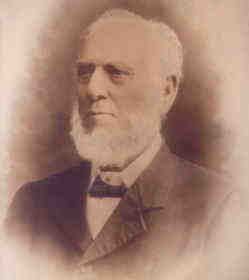
John Ferguson was the Inaugural President in 1888.  John Ferguson arrived in Rockhampton in the early 1860’s and became a building contractor.  Ferguson retired in 1888, further to his investment in the Mount Morgan Mine.  Ferguson was also the President of the Central Queensland Separation League, advocating the creation of a new State centred on Rockhampton.  From 1881 to 1888 Ferguson represented the seat of Rockhampton in the Legislative Assembly.  From 1894 to 1906 he was a member of the Legislative Council, also being elected to the Commonwealth Senate from 1901 to 1903.

Ferguson went on to build the mansion residence of Kenmore House in 1894, which he named after his birthplace in Scotland.  It was also expected at the time that he would also become the first Governor of the separated state, should this objective be achieved and that Kenmore House would be the Government House.

In 1906 Stuart MacDonald purchased Kenmore House, following the death of John Ferguson.  Stuart MacDonald was the son of Peter Fitzallan MacDonald (1830-1919), who was elected to the Queensland Legislative Assembly for Blackall in November 1873 as a progressive squatter, supporting Sir Samuel Griffith, secular education, liberal land legislation for viable selectors and a port at Broadsound.

Stuart MacDonald sold Kenmore in 1915 to the Sisters of Mercy, who later established the Mater Misericordiae Hospital in the building.  The sale of Kenmore to the Sisters of Mercy comprised three and a half acres in which the residence stood, including the whole of the gardens and the tennis court.  A lower paddock was retained by the MacDonald family.

William_Kidston
John_Ferguson_-_Swiss_Studios_(cropped)

The Range Club

The Mephisto fought at Villers-Bretonneux on 24 April 1918, becoming stranded in a shell crater.

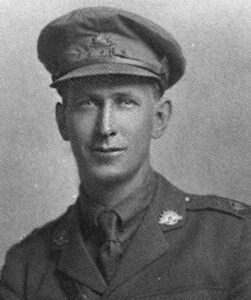
The Commanding Officer of the 26th Battalion A.I.F., Lieutenant Colonel James Robinson, decided that the tank should be acquired as a trophy.  The tank was moved to the training ground of the British 5th Brigade, Tank Corps, at Vaux-en-Amiénois and later to Poulainville (near the city of Amiens) until early October 1918.  During this time allied soldiers left their marks on the vehicle, and the armour became littered with names, quotes, drawings, and paintings.  The most prominent piece of art applied was a counterpart to the German demon: a large, crown-wearing British lion, its right paw resting on an A7V tank, the sporting symbol of the Range Club.

Brought to Australia in 1919 as a war trophy, Mephisto has been housed at the Queensland Museum in Brisbane ever since.  The machine was so heavy that a special crane had to be erected on the wharf to unload it.  On its way to the museum the tank’s caterpillar tracks gouged the road, and its sides damaged several buildings as it was dragged around corners.

Lieutenant Colonel James Alexander Robinson DSO MBE MiD (1888-1971) was the Captain of the University of Queensland Cricket Club 1st XI, receiving blues in 1913 for cricket and tennis.  Lieutenant Colonel Robinson was the President of the University of Queensland Sports Union.  Thrice Mentioned in Dispatches, he was wounded in action on 3 October 1918.  From 1925 he was the Principal of the Rockhampton State High School and Technical College, later becoming a Senator of The University of Queensland from 1953-1960.  Lieutenant Colonel Robinson died at his home at Chelmer, Brisbane, Queensland.